

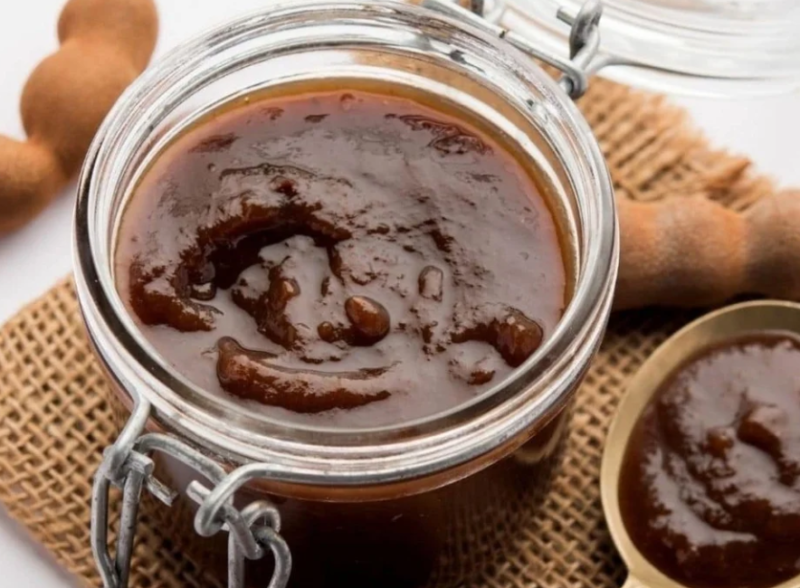
Tamarind, a tangy and versatile ingredient, has long been a staple in South Indian cuisine. However, its rich, tart flavor and natural sweetness make it an essential component of many global cuisines. Tamarind paste, derived from the pulp of the tamarind fruit, adds a unique depth to dishes, making it a perfect ingredient for adventurous home cooks and professional chefs alike. At IAP International Pvt. Ltd., we believe in exploring the diverse culinary applications of tamarind paste beyond its South Indian origins, bringing its zesty magic to a variety of global flavors.
Let’s take a journey through how you can use tamarind paste in dishes from across the world and elevate your cooking with this multi-functional ingredient.
1. Tamarind Paste in Southeast Asian Cuisine
Tamarind has an iconic presence in Southeast Asian cooking, particularly in Thai, Indonesian, and Filipino cuisines. It’s a key ingredient in many traditional dishes and sauces, where its tangy notes balance sweetness, saltiness, and spiciness.
Pad Thai (Thailand): Tamarind paste is one of the primary ingredients in the sauce that makes Pad Thai so irresistible. The tangy paste is combined with sugar, fish sauce, and lime juice to create a flavorful base for the stir-fried noodles, adding a perfect balance of sour, sweet, and savory.
Sambal (Indonesia): This fiery chili paste, often served as a condiment, benefits from the addition of tamarind paste. It complements the heat of the chilies with a layer of tanginess that makes the sambal rich and complex. Just a spoonful of tamarind paste in your sambal recipe can completely transform the dish.
Sinigang (Philippines): This sour soup, a Filipino comfort food, traditionally uses tamarind as the base for its tangy broth. Tamarind paste gives Sinigang its signature sharpness, working harmoniously with the vegetables and meat to create a savory yet tangy soup that’s perfect for any occasion.
2. Tamarind Paste in Middle Eastern Cuisine
In Middle Eastern cooking, tamarind is used to impart its signature tartness to a variety of dishes, including sauces, stews, and dips. Its unique flavor enhances the depth of many recipes.
Tamarind Molasses (Middle East): A staple in Middle Eastern kitchens, tamarind molasses (also known as “tamar Hindi”) is made by reducing tamarind paste with sugar to form a syrup. It’s used in marinades, salad dressings, and as a dip for grilled meats. The sweet and tangy molasses pairs well with grilled lamb, chicken, and even vegetables.
Fattoush Salad (Lebanon): This popular Middle Eastern salad often uses a tangy tamarind-based dressing to add a vibrant kick. The bitterness of the herbs, the crunch of the crispy pita, and the sourness of the tamarind dressing work together in perfect harmony.
3. Tamarind Paste in Latin American Cuisine
In Latin American cooking, tamarind is often found in beverages and sauces, offering a burst of tartness and sweetness that complements the region’s bold flavors.
Agua de Tamarindo (Mexico): A refreshing beverage made from tamarind, agua de tamarindo is a favorite across Mexico. Tamarind paste is mixed with water, sugar, and sometimes a dash of lime juice to create a tangy, sweet drink that’s perfect for hot days.
Tamarind Glaze for Meats (Caribbean): In Caribbean cuisine, tamarind paste is often used to create a sticky, sweet, and tangy glaze for meats such as pork or chicken. The tamarind’s sourness cuts through the richness of the meat, while the sweetness adds a caramelized finish.
Tamarind Sauce (Brazil): Tamarind is commonly used in Brazil for its distinct flavor in sauces that accompany seafood and grilled meats. Tamarind paste is combined with garlic, onions, and chilies to create a zesty sauce that pairs beautifully with fish and grilled shrimp.
4. Tamarind Paste in Western Cuisine
In Western cuisine, tamarind paste is still relatively underutilized, but its bright flavor is making waves in contemporary cooking. Its versatility means it can be used in both sweet and savory applications.
Tamarind BBQ Sauce (United States): A modern twist on traditional barbecue sauce, tamarind paste can be used to create a unique tangy barbecue sauce. Combined with brown sugar, vinegar, and spices, tamarind paste brings an unexpected sourness that pairs well with grilled meats, adding a fresh complexity to the barbecue experience.
Tamarind in Salad Dressings (Europe): In European cuisine, tamarind paste can be used to create tangy, exotic salad dressings. It’s particularly great in vinaigrettes, where the tamarind’s tartness complements olive oil and Dijon mustard, adding a unique twist to any salad.
Tamarind in Baking (Global): While less common, tamarind paste can be incorporated into cakes, tarts, and other desserts, offering a refreshing tartness to balance the sweetness. When used in combination with other citrus or tropical fruits, tamarind can create a complex, layered flavor profile for sweet treats.
5. Tamarind Paste in Fusion and Innovative Dishes
Innovative chefs and home cooks are constantly exploring new ways to incorporate tamarind paste into dishes from various cuisines. From tamarind-infused cocktails to tamarind in desserts, the possibilities are endless.
Tamarind-Infused Cocktails: Tamarind paste can be used in cocktails to provide a refreshing, tangy base. It works wonderfully in margaritas, mojitos, or even in exotic creations like tamarind mojitos, adding a citrusy kick to the drink.
Tamarind Desserts: Chefs are experimenting with tamarind in fusion desserts, pairing it with chocolate, coconut, or tropical fruits. Tamarind ice cream or tamarind-filled chocolates offer a surprising twist to sweet treats, balancing acidity and sweetness in a unique way.
Conclusion
Tamarind paste is much more than just a tangy addition to South Indian dishes. Its global appeal is undeniable, with its presence in Southeast Asian, Middle Eastern, Latin American, and Western cuisines. From refreshing beverages and sauces to savory dishes and desserts, tamarind’s unique flavor can transform any dish.
At IAP International Pvt. Ltd., we’re passionate about introducing high-quality tamarind products that enhance global cuisine. Whether you’re a professional chef or a home cook, incorporating tamarind paste into your recipes will elevate your cooking and offer a new, exciting way to explore global flavors.
So, the next time you’re looking to add a burst of tanginess to your dish, reach for tamarind paste and take your cooking to the next level. Experiment with its many uses and create unforgettable flavors in your kitchen!

